
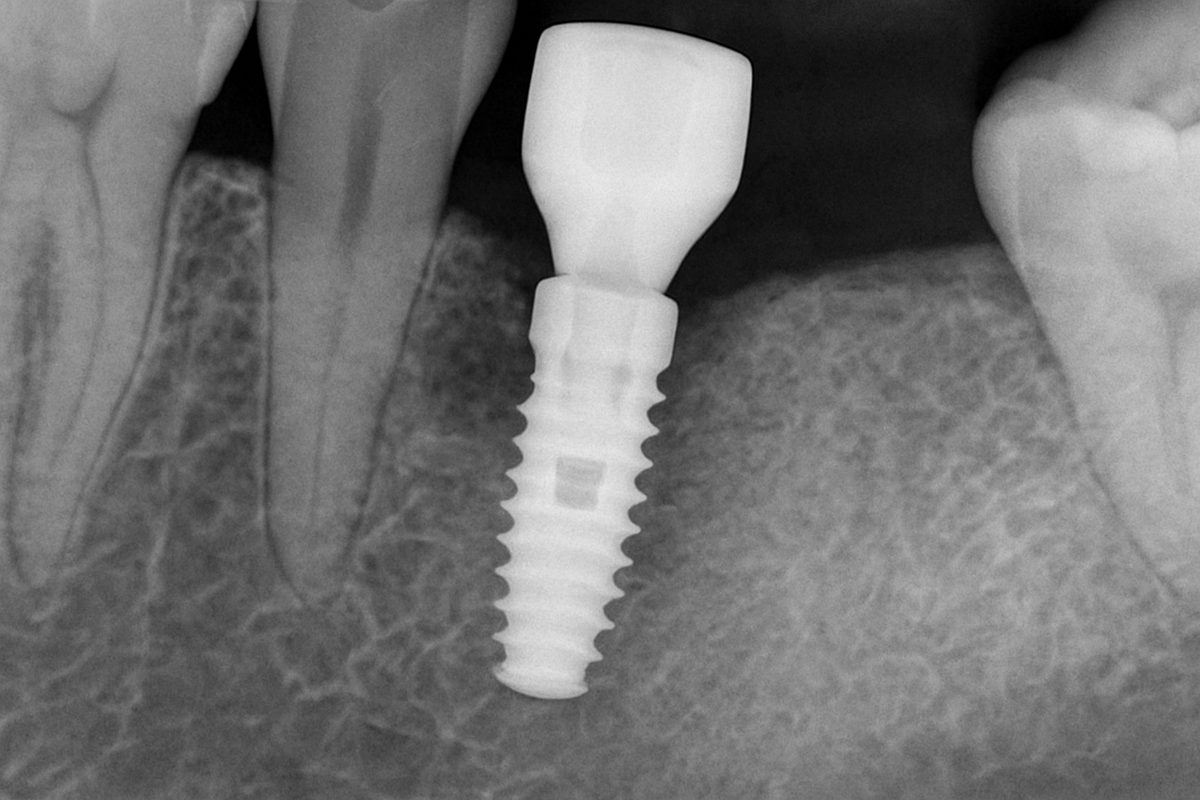
When people say “problems with implants,” they mean any trouble that keeps a dental implant from working the way it should. Most implants succeed and last many years, but surgical, biological, and prosthetic issues can still happen. This post explains common signs of failing dental implants in Edmond, OK, what causes them, simple at-home steps, treatment options, prevention tips, and how to get help.
Most common problems with implants
Peri-implantitis (infection and bone loss)
Peri-implantitis is an infection of the gum and bone around an implant. Signs include red, swollen gums, bleeding, bad taste, and sometimes pus. Left untreated, it destroys the bone that supports the implant and can lead to failing dental implants in Edmond, OK.
Loose or failed implant
Not all looseness means the implant itself failed. Crowns, screws, or abutments can come loose. True implant failure means the implant has lost integration with the bone and may move or cause pain.
Pain, numbness, or nerve injury
Nerve symptoms can feel like sharp pain, tingling, burning, or numbness in the lip, chin, or tongue. These signs can be urgent — they may show nerve compression or injury from placement.
Sinus problems for upper implants
Upper back implants sit under the sinus. Problems include sinusitis after a sinus lift, sinus perforation during surgery, or chronic sinus irritation that requires evaluation.
Prosthetic issues: loose crown, abutment wear, fracture
Prosthetic problems are common and fixable: loose crowns, worn connections, fractured screws, and esthetic concerns. These affect function and comfort but don’t always mean the implant itself is failing.
Why these problems happen
Poor oral hygiene and smoking
Plaque and biofilm cause inflammation around implants. Smoking reduces blood flow and immunity, increasing the risk of infection and bone loss — a leading cause of failing dental implants.
Insufficient bone or failed grafts
Implants need enough healthy bone. Low bone volume or grafts that don’t take can leave implants unsupported and prone to loosening or loss.
Surgical factors and improper loading
Placement angle, depth, and stability matter. Putting force on an implant too early — or poor positioning — can stop proper integration with the bone.
Medical conditions and medications that affect healing
Conditions like uncontrolled diabetes, immune problems, and medications such as bisphosphonates or long-term steroids can slow healing and raise the risk of implant complications.
How to spot problems with implants
- Red, swollen, or bleeding gums around the implant
- Persistent pain, foul taste, pus, or a loose feeling
- Changes in bite, movement of the crown, or nearby teeth shifting
Immediate at-home steps if you suspect failing dental implants
Take simple steps right away: rinse gently with warm saline (salt water), avoid chewing on that side, and skip hard or crunchy foods. Document symptoms and take photos. Use OTC pain relievers per directions. Seek same-day care if you have severe pain, spreading swelling, fever, or sudden numbness.
Treatment options dentists use for failing dental implants
Non-surgical care
Professional cleaning around the implant, local antiseptics, and antibiotics can control early infections and inflammation. Close monitoring follows.
Surgical care
When infection or bone loss is advanced, surgical debridement, laser therapy, and bone or soft-tissue grafting may be used to try to save the implant.
Prosthetic fixes
Many problems are solved by replacing crowns or abutments, tightening or re-torquing connections, and adjusting the bite to remove harmful forces.
Implant removal and staged replacement
When the implant can’t be saved, removal is safest. After healing (often a few months), options include re-implantation, bone grafting to rebuild support, or All-on-X or zirconia-fixed bridges. For comprehensive replacement, consider full-arch solutions.
How to reduce the risk of failing dental implants in Edmond, OK
- Home care: brush twice daily, floss or use interdental brushes, and use a water flosser if recommended.
- Night guards for bruxism (teeth grinding) to reduce overload on implants.
- Regular implant maintenance visits and professional implant cleanings.
- Quit smoking, control diabetes, and review medications with your medical provider.
- Plan: choose an experienced clinician, use CBCT imaging for assessment, and pick appropriate implant materials (titanium or zirconia).
How Restoration Dental helps with implant problems
Restoration Dental’s Edmond team evaluates and treats failing dental implants in Edmond, OK with conservative, evidence-based care. The clinic offers CEREC same-day crowns, laser periodontal treatment, IV sedation for anxious patients, and All-on-X and zirconia-fixed bridge options. Treatment starts with a full exam, imaging when needed, and a clear plan that explains risks, steps, and costs.
When to call and next steps
Call right away for spreading swelling, fever, uncontrolled pain, sudden numbness, or visible implant mobility. Bring photos, a symptom timeline, and any prior X-rays or records. Schedule an evaluation to assess failing dental implants in Edmond, OK, review treatment options, and discuss financing or online booking to get timely care.