
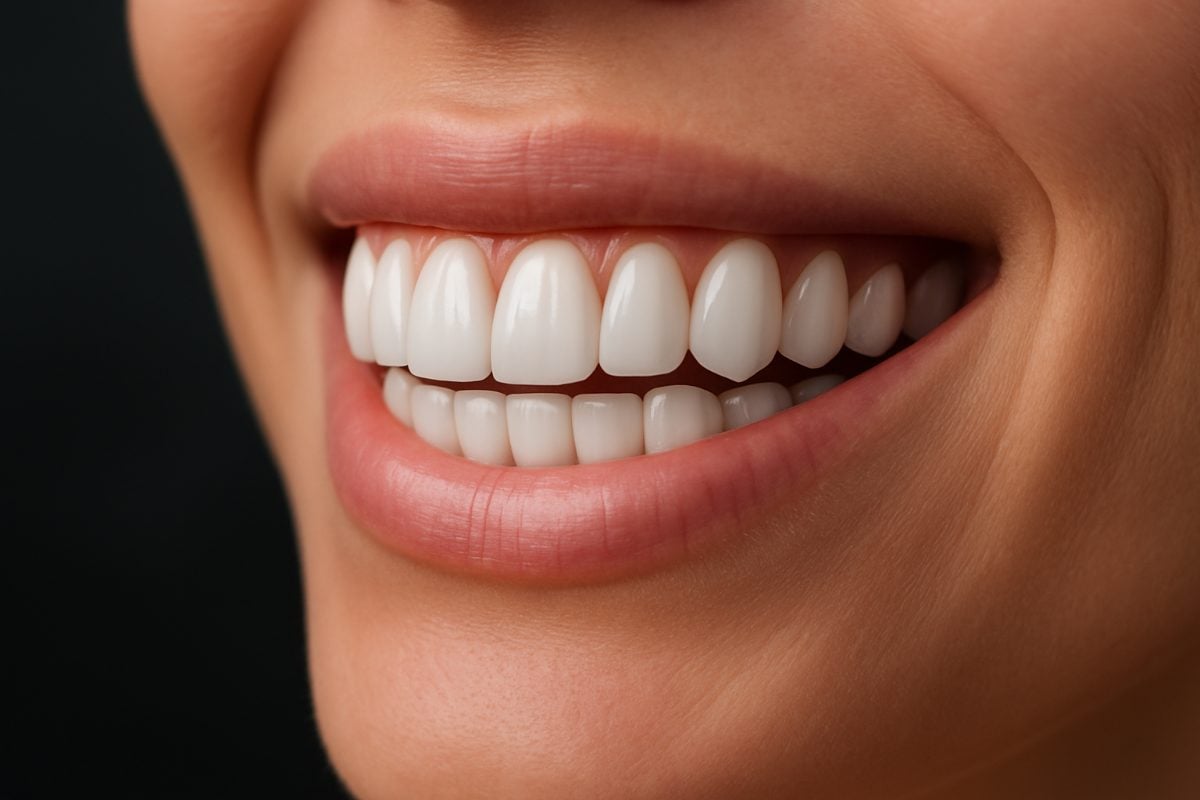
Do porcelain veneers in Edmond, Oklahoma protect your teeth? The short answer: sometimes. Porcelain veneers can protect the visible front surfaces of teeth and improve appearance, but they have limits and won’t fix deep decay or replace lost root support. This article explains what porcelain veneers do, where they help, the risks, and when to consider other options — including porcelain veneers in Edmond, Oklahoma as a mainly cosmetic choice.
What porcelain veneers are
Porcelain veneers are thin shells of porcelain bonded to the front of teeth. Dentists use them to improve color, shape, size, or to cover chips, gaps, and worn enamel. The typical process is conservative: a small amount of enamel is removed, impressions or digital scans (often CEREC) are taken, and the veneers are bonded in a later visit or made same-day with CAD/CAM systems.
How veneers bond to natural teeth
Enamel removal and bonding
To fit properly, a thin layer of enamel is usually removed so the veneer sits flush with the tooth. The veneer is then attached using strong resin cement. When bonded correctly to enamel, that bond is durable and long-lasting.
What bond strength means for protection
A strong bond helps the veneer resist chips and wear on the tooth’s front surface. But veneers do not rebuild internal tooth structure, fix a weak root, or replace the support a crown gives a badly damaged tooth. Protection is limited to the covered, visible surface.
Ways porcelain veneers can protect your teeth
- Prevent minor chipping: Veneers add a hard outer surface that reduces the chance of small chips on front teeth.
- Cover erosion: They can mask and protect eroded enamel on visible surfaces from further wear.
- Improve bite distribution: In select cases, veneers can adjust bite contacts to reduce stress on worn front teeth.
- Discourage harmful habits: A new, smooth surface may reduce cosmetic-driven behaviors like aggressive brushing or nail-biting.
Limitations — when veneers do NOT protect your teeth
Veneers are not protective in every situation. They should not be used to fix teeth with: large decay, deep vertical fractures, or severely weakened structure — these often need full-coverage crowns. Active grinding (bruxism) can break veneers. Also, cavities can develop at the veneer margin if oral hygiene is poor, so veneers don’t eliminate decay risk.
Risks and common problems to watch for
- Sensitivity: Mild sensitivity after enamel prep is common but usually temporary.
- Margin staining or decay: Poor cleaning can lead to discoloration or decay where the veneer meets the tooth.
- Fracture or debonding: Veneers can crack or come off if stressed or improperly bonded.
- Poor case selection: Choosing veneers for teeth that need crowns can worsen long-term outcomes.
How to make veneers more protective and longer lasting
- Complete a thorough pre-treatment exam (X-rays, bite analysis, decay check).
- Choose stronger materials and skilled lab or CAD/CAM fabrication.
- Keep prep conservative to bond to enamel when possible.
- Ensure top-quality bonding technique and careful bite adjustment.
- Use a nightguard for grinders or clenchers.
- Maintain regular dental checkups and excellent oral hygiene.
Alternatives when protection is the main goal
If structural protection is your priority, consider:
- Crowns: Full-coverage crowns restore strength to badly damaged teeth and protect the whole tooth body.
- Onlays or overlays: These cover larger back-surface damage while saving more tooth than a full crown in some cases.
- Direct composite bonding: A conservative, repairable option for small chips or gaps.
- Implants: For non-restorable teeth, implants restore root support and strength.
For mainly cosmetic concerns, porcelain veneers in Edmond, Oklahoma remain a strong option, but for structural protection a crown or implant may be safer.
Is porcelain veneers the right choice for you?
Use this quick checklist to decide:
- Extent of damage: minor chips and surface wear favor veneers; deep cracks or decay favor crowns.
- Oral hygiene: good hygiene reduces margin problems.
- Bite habits: severe grinding means extra protection or different restorations are needed.
- Aesthetic goals: veneers give excellent color and shape control.
- Long-term plan: consider future repairs and replacement needs.
Veneers can protect front surfaces in many cases but are not a universal shield. Match the treatment to the tooth’s structural needs.
About Restoration Dental
Restoration Dental in Edmond, Oklahoma offers conservative, tech-forward care including CEREC same-day crowns, implant options, and IV sedation for anxious patients. The team evaluates structural needs first and recommends porcelain veneers in Edmond, Oklahoma when cosmetic improvement is appropriate and safe. Book a consult to review whether veneers or a stronger restoration is best for your teeth.
Quick FAQs
Q: Do porcelain veneers protect your teeth?
A: Yes, to a degree. Porcelain veneers protect the visible front surfaces from chips and wear and improve appearance, but they do not restore internal tooth strength or protect roots. Good bonding and hygiene are essential.
Q: How long do veneers last?
A: Veneers typically last 8–15 years or longer with good care. Lifespan depends on material quality, bonding, bite forces, and oral hygiene.
Q: Will veneers prevent tooth decay?
A: Veneers can protect exposed enamel on the front of teeth, but decay can still occur at the margins if plaque builds up. Regular cleaning and dental exams are needed to prevent cavities.